One unique facet of Kenya’s electricity production is collaboration with the sedentary and semi-nomadic Maasai population. In areas where indigenous communities would be affected by geothermal power development, they “are involved, informed and educated about the potential opportunities and risks.” They are active participants in the construction and development of geothermal power plants, receiving compensation, land titles, and critical health infrastructure from both the nation’s government and private companies.
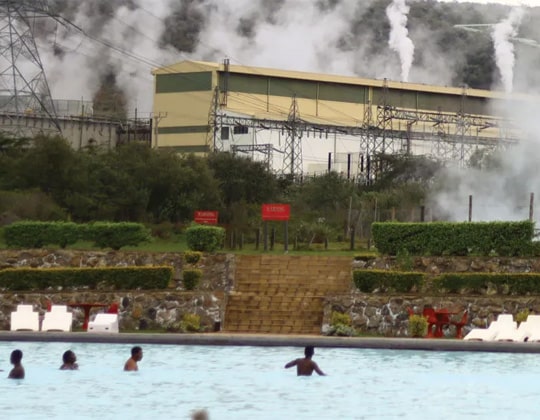
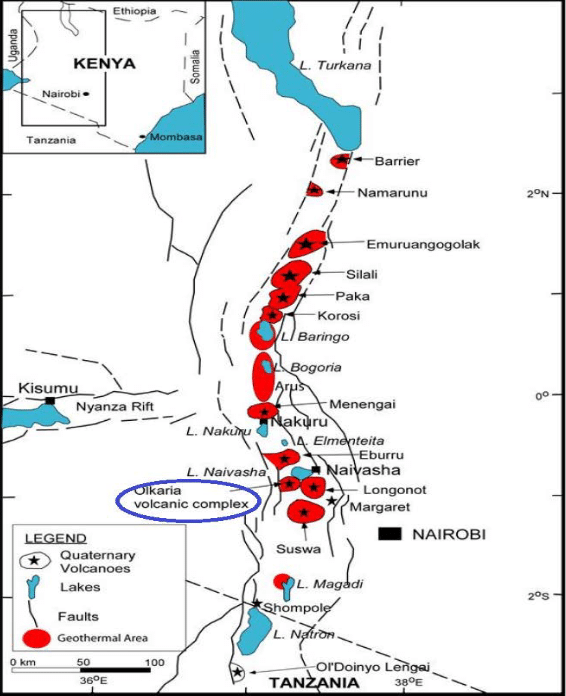
In 1995, geothermal provided just 9.5% of Kenya’s electricity. This has exponentially grown to provide over 43% of the country’s electricity in 2024. The majority of the generation is run by Kenya Electricity Generating Company (KenGen) in Olkaria. Other organizations like Ormat and Africa Geothermal International Limited (AGIL) have developed geothermal power plants. The country boasts the largest percentage share of electricity from geothermal in the world, and it is only increasing.
Beyond its borders, Kenya is spurring momentum for geothermal energy across Africa. Even though 43% of Africa’s population lacks access to electricity, companies from this hot spot are providing technical and economic support to neighboring countries like Ethiopia and Djibouti. While this renewable energy has a higher up-front cost, many believe that it will lead to universal low-cost energy access.